
Architectural Details That Define a Classic Fireplace
Ask the team at Mason Chimney Repair what makes a fireplace feel timeless and they will rarely start with the flame. They start with the architecture around it: the proportions of the opening, the material of the surround, and the way the chimney breast carries the eye up to the ceiling. Those details decide whether a fireplace reads as the heart of a room or as an appliance set into a wall.
Classic fireplaces have survived centuries of changing taste because their design language is consistent. Once you learn to read it, you can recognise a well-proportioned hearth in a Georgian townhouse, a Victorian terrace or a modern home that borrows from both.
The Firebox Opening and Its Proportions
The opening is the first thing a designer sets, and everything else follows from it. Traditional builders worked to ratios rather than fixed sizes: the height of the opening is usually two-thirds to three-quarters of its width, and the depth is roughly half the height. A firebox built to those ratios draws smoke cleanly up the flue, and it also looks right, which is not a coincidence. Good proportion and good performance grew up together.
Arched openings, common in older masonry, spread the load of the brickwork above and give the hearth a softer profile. Square openings with a steel or stone lintel feel more formal and suit symmetrical rooms. Either can be classic; what matters is that the opening sits in balance with the wall it occupies.
The Surround and Mantel
The surround frames the opening and protects the wall from heat. In period homes it is usually carved stone, marble, cast iron or glazed tile, and it tells you a great deal about when the house was built. Georgian surrounds favour restrained classical mouldings: pilasters on either side, a plain frieze and a shelf with a simple cornice. Victorian designs grow richer, with corbels, inset tiles and decorative ironwork. Arts and Crafts fireplaces pull back again, preferring honest brick, hand-made tiles and a sturdy timber shelf.
The mantel shelf is the one element people touch every day, so its height and depth deserve attention. A shelf set too low crowds the opening; one set too high loses its connection to the hearth. Most classic mantels sit between 130 and 150 centimetres from the floor, deep enough to hold a clock or a pair of candlesticks without overhanging the room.
The Hearth
The hearth is the non-combustible floor in front of the firebox, and it is as much a safety feature as a design one. In traditional work it is a single slab of stone or slate, or a field of tiles framed by a stone kerb. A raised hearth, lifted a step above the floor, brings the fire closer to eye level when seated and works especially well in rooms with low furniture. A flush hearth keeps the floor continuous and suits smaller rooms where a step would feel like an obstacle.
The Chimney Breast
Above the mantel, the chimney breast projects into the room to house the flue. In classic interiors it is treated as a feature rather than hidden. Some designers panel it, some add an overmantel mirror or a framed painting, and some leave the brick exposed to show the structure honestly. Alcoves on either side are a natural place for shelving or cabinetry, and their symmetry reinforces the fireplace as the centre of the composition.
The Chimney Itself
From the street, the chimney is often the most visible part of the whole system. Classic chimney stacks are built in the same brick or stone as the house, with a corbelled cap that throws rainwater clear of the masonry and a crown that seals the top. Clay chimney pots, in plain or decorative shapes, finish the stack and help the flue draw. These details are handsome, but they are also working parts, and they take the brunt of the weather year after year.
That is why a classic fireplace is only as good as the chimney behind it. Cracked crowns, loose bricks, deteriorating mortar joints and damaged flue liners are common in older homes, and they rarely announce themselves until water stains appear on a ceiling or smoke starts to spill into the room. An annual inspection catches these problems while they are still small repairs rather than rebuilds.
Keeping the Character When You Restore
When a period fireplace needs work, the goal is to repair rather than replace. Match new mortar to the original in colour, texture and strength; modern cement mortars are often harder than historic bricks and can cause them to spall. Keep original tiles and ironwork wherever possible, and source reclaimed pieces for anything that has to be replaced. If a flue needs relining so the fireplace can be used safely again, choose a liner sized to the original opening so the fire still draws properly.
A classic fireplace is a small piece of architecture in its own right. Read its proportions, respect its materials and look after the chimney that makes it work, and it will remain the most inviting place in the house for generations.

Related Posts

Cash House Buyers Transform Britain’s Derelict Buildings Into Architectural Gems

Why Calgary’s Historic Buildings Need Specialized Architectural Painting

How Delta-8 Retail Spaces Are Redefining Cannabis Store Design

Tips for Designing a Vape-Friendly Building to Enhance Overall Comfort and Safety

Four Architecturally Significant Museums Designed by Renowned Studios
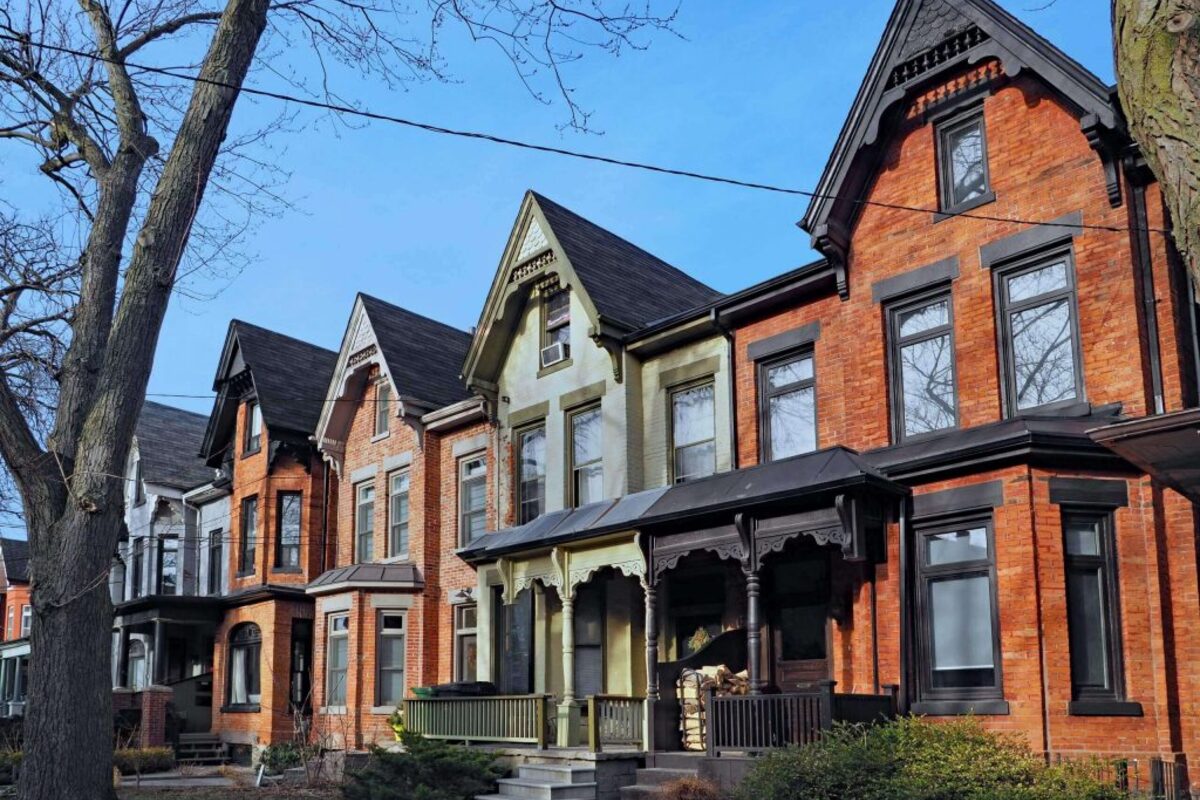
Architectural Marvels in Canadian Cities

10 Best Architectural Museums Worldwide, Reviewed

12 Things Interior Designers Change on Residential Projects

Art Gallery of Ontario Expansion News Update: What Changed and What to Watch in 2026
How Badlands Houses Transform Ontario’s Harshest Terrain Into Architectural Masterpieces

The Badlands of Ontario: Where Raw Landscape Meets Remarkable Architecture
How Kitchener Homeowners Are Reimagining Kitchen Design in 2024