Why Calgary’s Historic Buildings Need Specialized Architectural Painting

Imageline Painters calgary represents a specialized discipline where preservation science intersects with aesthetic refinement, transforming Calgary’s built environment through techniques that honor architectural integrity while meeting contemporary performance standards. Unlike conventional residential painting, architectural painting demands comprehensive understanding of heritage materials, structural systems, and environmental stressors unique to Alberta’s climate extremes.
Calgary’s architectural landscape presents distinct challenges that separate routine maintenance from specialized conservation work. The city’s dramatic temperature fluctuations, from minus 30°C winters to plus 30°C summers, create expansion and contraction cycles that stress building envelopes. Chinook winds introduce rapid freeze-thaw patterns, while intense UV exposure at 1,045 meters elevation accelerates coating degradation. These conditions require formulations and application methodologies far beyond standard paint products.
The architectural painting process begins with forensic analysis of existing substrates, identifying original finishes, assessing deterioration patterns, and determining appropriate intervention strategies. Practitioners must navigate heritage designation requirements, understand period-appropriate color palettes, and select breathable coatings that prevent moisture entrapment in historical masonry. Modern projects demand equal sophistication, incorporating high-performance systems that achieve LEED certification targets while maintaining design intent.
Sustainability innovations now drive the industry forward, with zero-VOC formulations, recycled content pigments, and application techniques that minimize material waste. Global perspectives inform local practice as Calgary’s practitioners adapt European conservation standards and Scandinavian climate-responsive technologies to prairie conditions. This synthesis of traditional craftsmanship and cutting-edge material science elevates architectural painting from applied trade to specialized discipline, ensuring Calgary’s buildings endure as functional artworks for generations ahead.
What Sets Architectural Painting Apart from Standard Services

Heritage Restoration and Period-Appropriate Finishes
Calgary’s distinguished collection of heritage buildings demands specialized painting services that honor architectural integrity while meeting contemporary conservation standards. Working with these structures requires practitioners who combine technical expertise with deep respect for historic architectural preservation principles.
The restoration process begins with meticulous archival research and material analysis to uncover original color palettes and finishing techniques. Paint specialists employ methods like cross-section microscopy and chemical testing to identify authentic hues beneath decades of subsequent applications. This forensic approach ensures that restoration work reflects the building’s intended aesthetic vision rather than contemporary assumptions.
Period-appropriate paint formulations present unique challenges in balancing historical accuracy with modern performance requirements. Traditional materials like lime wash, milk paint, and mineral-based pigments offer authentic finishes while providing superior breathability for heritage masonry. Contemporary manufacturers now produce advanced formulations that replicate historic appearances while incorporating low-VOC chemistry and enhanced durability against Calgary’s temperature extremes.
Compliance with municipal heritage guidelines and conservation standards governs every aspect of the work. The Calgary Heritage Authority mandates specific protocols for designated buildings, requiring documented methodologies and reversible interventions. Qualified practitioners maintain detailed records throughout the project, from initial investigation through final application, ensuring transparency and accountability.
This specialized work extends beyond mere replication. It represents a commitment to cultural stewardship, preserving architectural narratives that define Calgary’s urban identity while demonstrating how traditional craftsmanship adapts to contemporary sustainability imperatives.
Material-Specific Expertise
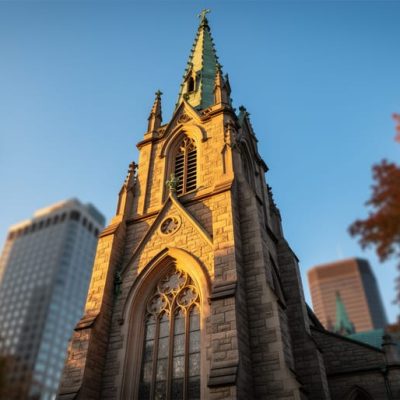
Calgary’s architectural heritage demands painters who possess intimate knowledge of traditional building materials and their unique characteristics. Sandstone, the defining element of many historic structures including heritage buildings downtown, requires specialized surface preparation to address porosity variations and weathering patterns. Professional architectural painters understand that Calgary’s indigenous sandstone absorbs moisture differently than contemporary materials, necessitating breathable coating systems that accommodate thermal expansion while preventing water infiltration during freeze-thaw cycles.
Brick masonry presents distinct challenges across Calgary’s diverse building stock. Heritage-era bricks exhibit different densities and firing techniques compared to modern units, affecting paint adhesion and permeability requirements. Skilled practitioners assess mortar condition, efflorescence patterns, and historical pointing techniques before selecting compatible primers and topcoats that enhance durability without compromising the material’s inherent vapor transmission properties.
Wood elements in Calgary’s character homes and institutional buildings require analysis of species, grain orientation, and historical treatment methods. Heritage Douglas fir, common in early twentieth-century construction, demands different preparation protocols than contemporary engineered lumber. Architectural painters evaluate previous coatings through microscopic analysis, determining optimal stripping methods that preserve delicate millwork details.
Metal components including ornamental ironwork, copper flashings, and steel structural elements each necessitate substrate-specific corrosion inhibitors and coating chemistries. Terra cotta, featured prominently in Calgary’s early commercial architecture, requires particular expertise due to its glazed surface characteristics and susceptibility to spalling. This material-specific knowledge ensures preservation integrity while advancing sustainability through extended lifecycle performance and reduced maintenance interventions across Calgary’s architecturally significant structures.
Calgary’s Architectural Landscape and Climate Challenges
Temperature Extremes and Paint Performance
Calgary’s dramatic temperature fluctuations present formidable challenges for architectural painting applications, demanding both sophisticated material science and meticulous execution. The city’s climate routinely subjects building exteriors to thermal cycles spanning 60°C annually, from winter lows approaching -30°C to summer peaks exceeding +30°C. These extremes create significant stress on painted surfaces through repetitive expansion and contraction of substrate materials.
Quality architectural painting services address these conditions through strategic product selection emphasizing elastomeric properties and advanced acrylic formulations that accommodate substrate movement without compromising adhesion. Professional practitioners recognize that thermal bridging in contemporary curtain wall systems and heritage masonry structures each present distinct expansion coefficients requiring tailored coating systems.
Application timing becomes equally critical, with ideal conditions occurring during transitional seasons when temperatures stabilize between 10°C and 25°C. Experienced contractors monitor substrate temperature independently from ambient conditions, understanding that direct solar exposure can elevate surface temperatures 15-20°C above air temperature, potentially compromising cure rates and long-term performance.
Furthermore, Calgary’s low humidity and intense UV exposure at higher elevations accelerate photo-degradation, necessitating enhanced pigment stability and UV inhibitors. This multifaceted environmental profile explains why generic coating systems frequently fail prematurely, while professionally specified architectural finishes demonstrate superior longevity, often exceeding fifteen-year performance cycles when properly maintained. The investment in specialized products and expert application ultimately delivers substantial lifecycle value for architecturally significant properties.

Protecting Iconic Sandstone and Masonry
Calgary’s historic sandstone buildings stand as enduring monuments to the city’s architectural heritage, yet these iconic structures demand specialized painting approaches that honor their unique material properties. The region’s distinctive sandstone, quarried locally during the late 19th and early 20th centuries, exhibits natural porosity that requires breathable coating systems. Contemporary architectural painting services for these buildings prioritize vapor-permeable paints and mineral-based finishes that allow moisture migration while providing weather protection.
The critical challenge lies in Calgary’s extreme freeze-thaw cycles, where temperatures can fluctuate dramatically within 24-hour periods. When non-breathable coatings trap moisture within sandstone or masonry, the subsequent freezing causes expansion that leads to spalling, cracking, and structural deterioration. Qualified painting professionals apply silicate-based paints, lime washes, or specifically formulated masonry coatings that maintain the substrate’s natural breathing capacity.
Pre-treatment protocols for heritage sandstone involve careful moisture content assessment, salt efflorescence management, and substrate stabilization before any coating application. This approach extends beyond preservation into sustainability, as maintaining existing sandstone structures reduces embodied carbon compared to demolition and reconstruction. From a global perspective, Calgary’s methods for protecting sandstone architecture align with international conservation standards while adapting to the prairie region’s unique environmental stressors, ensuring these architectural treasures endure for future generations.
The Architectural Painting Process: From Assessment to Completion
Pre-Project Documentation and Analysis
The investigative phase forms the foundation of successful architectural painting projects, distinguishing professional services from conventional approaches. Before any surface preparation begins, qualified practitioners conduct comprehensive paint analysis to determine existing coating systems, their composition, and compatibility with proposed treatments. This forensic examination often reveals historical color palettes and original finishes, particularly valuable for architectural restoration projects seeking period authenticity.
Substrate condition assessment follows, evaluating masonry, wood, metal, or composite materials for degradation, structural integrity, and surface adhesion potential. Calgary’s extreme temperature fluctuations necessitate particular attention to thermal expansion patterns and existing stress fractures that conventional inspections might overlook.
Moisture testing proves essential in Calgary’s climate, where freeze-thaw cycles create unique challenges. Advanced moisture meters and thermal imaging identify trapped water, vapor transmission issues, and potential failure points before coating application. This preventative approach aligns with sustainable building practices by extending material lifespan and reducing future remediation needs.
Historical research complements technical analysis, documenting original architectural intent, previous interventions, and heritage designation requirements. This documentation ensures proposed treatments respect the building’s cultural significance while meeting contemporary performance standards.
Surface Preparation for Architectural Elements
Architectural painting’s success hinges on meticulous surface preparation, particularly when addressing Calgary’s historic ornamental features and contemporary design elements. Carved woodwork, decorative plasterwork, and intricate metalwork demand specialized cleaning techniques that preserve detail while ensuring adhesion. Professional teams employ gentle abrasive methods, chemical strippers formulated for delicate substrates, and micro-brushing tools to access recessed areas without damaging original craftsmanship.
Metal surfaces require particular attention in Calgary’s climate, where temperature fluctuations accelerate corrosion. Rust inhibitors and specialized primers create essential barriers between substrate and finish coats. For heritage ironwork and bronze details, conservators often integrate breathable coatings that permit moisture vapor transmission while preventing water infiltration—a balance critical to long-term preservation.
Contemporary architectural elements like fiber-reinforced polymers and composite materials present distinct preparation challenges. These substrates demand surface profiling techniques that enhance mechanical bonding without compromising structural integrity. Advanced primers with flexible properties accommodate thermal movement inherent in Calgary’s extreme seasonal variations. This technical rigor, combined with sustainability-focused material selection, ensures preparation processes honor both architectural intent and environmental responsibility, establishing foundations that support decades of aesthetic performance.

Application Techniques for Complex Geometries
Addressing Calgary’s diverse architectural landscape requires specialized techniques that honor both heritage structures and contemporary designs. Professional architectural painters employ strategic methodologies to navigate complex geometries while preserving structural integrity and aesthetic vision.
For intricate architectural details such as cornices, dentil moldings, and ornamental friezes, practitioners utilize precision application methods including fine brush work and low-pressure spray systems. These techniques ensure even coverage without obscuring delicate relief work or compromising historical accuracy. Multi-story facades present unique challenges in Calgary’s climate, where temperature fluctuations and wind exposure vary significantly by elevation. Experienced teams implement staging systems that allow for consistent application from multiple access points, ensuring uniform color saturation and finish quality across the entire vertical plane.
Hard-to-reach elements, including mansard roofs, cupolas, and recessed architectural features, demand innovative access solutions. Calgary’s architectural painting specialists combine traditional scaffolding with modern aerial work platforms and rope access techniques, always prioritizing safety protocols that exceed provincial workplace standards. This multi-modal approach proves particularly valuable for landmark buildings in Calgary’s historic districts, where ground disturbance must be minimized.
For buildings featuring complex three-dimensional facades, such as those with projecting bays, cantilevered sections, or sculptural elements, practitioners conduct detailed surface mapping to identify optimal application sequences. This planning prevents overspray contamination and ensures proper drying times between adjacent surfaces. The integration of digital modeling tools enables teams to visualize coating coverage patterns before physical application begins, reducing material waste and enhancing efficiency while maintaining the exacting standards required for architecturally significant projects throughout Calgary’s evolving urban environment.
Sustainable and Innovative Coating Technologies
Eco-Friendly Products for Heritage Conservation
Contemporary architectural painting services in Calgary increasingly embrace eco-friendly materials that honor both environmental stewardship and heritage conservation principles. These specialized products prove particularly vital when restoring structures within Calgary’s historic districts, where authenticity and sustainability intersect.
Mineral-based paints represent a cornerstone of sustainable conservation work. Derived from natural earth pigments and mineral compounds, these formulations allow historic masonry to breathe while providing exceptional durability against Calgary’s temperature fluctuations. Their microporous structure permits moisture vapor transmission, preventing the trapped humidity that causes deterioration in heritage buildings. Leading conservation projects throughout Alberta demonstrate how mineral paints maintain color stability for decades without the volatile organic compounds found in conventional coatings.
Lime washes offer another time-honored solution experiencing renewed appreciation among architectural painting professionals. This traditional finish provides natural antimicrobial properties while creating the subtle, matte aesthetic characteristic of heritage architecture. The material’s alkalinity naturally resists mold growth, making it ideal for Calgary’s varied humidity conditions.
Natural oil finishes, particularly linseed and tung oil formulations, excel in protecting historic woodwork without compromising breathability. These plant-based products penetrate deeply, enhancing wood grain while providing weather resistance that synthetic alternatives cannot match. Their renewable nature and minimal environmental impact align perfectly with contemporary sustainability standards while respecting conservation methodology that has proven effective across centuries of architectural practice.
Advanced Protective Coatings
Contemporary architectural painting in Calgary increasingly leverages cutting-edge protective technologies that respond to the city’s demanding climate while preserving design excellence. Nano-coatings represent a significant advancement, utilizing microscopic particles that create molecular-level barriers against moisture infiltration, freeze-thaw damage, and atmospheric pollutants. These formulations bond at deeper levels than traditional paints, offering enhanced durability without compromising breathability—essential for historic masonry and innovative building materials alike.
Anti-graffiti treatments have evolved beyond simple sacrificial layers to incorporate hydrophobic and oleophobic properties that prevent paint and marker adhesion. These systems allow for easy cleaning without harsh chemicals, maintaining architectural integrity in urban environments while reducing long-term maintenance costs. From a sustainability perspective, this reduces waste and chemical runoff.
UV-resistant formulations address Calgary’s intense high-altitude sunlight exposure, incorporating advanced pigment technologies and stabilizers that prevent color degradation and chalking. These coatings maintain chromatic accuracy for decades, crucial for architecturally significant buildings where precise color matching reflects design intent. Combined with low-VOC compositions, these protective systems extend building lifespan substantially while supporting environmental responsibility—delivering both aesthetic longevity and performance under Alberta’s challenging conditions.
Selecting Architectural Painting Services in Calgary

Essential Qualifications and Certifications
Selecting a qualified architectural painting contractor in Calgary requires careful attention to credentials that extend far beyond basic painting licenses. Distinguished professionals in this specialized field possess comprehensive training in heritage conservation techniques, materials science, and architectural restoration principles. Many hold certifications from organizations such as the Painting and Decorating Contractors of America (PDCA) or have completed advanced programs in historic preservation through recognized institutions.
Insurance coverage represents a critical qualification marker. Reputable contractors maintain substantial liability insurance, including coverage for heritage properties and specialized coatings work. This protection becomes particularly important when working with irreplaceable architectural elements or navigating Calgary’s heritage designation requirements. Contractors experienced with municipally designated buildings understand the approval processes, documentation standards, and preservation guidelines that govern alterations to significant structures.
Industry affiliations provide additional quality indicators. Membership in the Master Painters Institute (MPI), Canadian Construction Association, or local heritage preservation societies demonstrates commitment to ongoing education and professional standards. These organizations require adherence to ethical practices and technical competencies that benefit clients undertaking complex architectural projects.
From a sustainability perspective, leading contractors pursue certifications in environmentally responsible practices, including LEED-related credentials and training in low-VOC application techniques. They maintain current knowledge of innovative coating technologies that balance preservation requirements with environmental responsibility.
Experience working within Calgary’s diverse architectural contexts—from early 20th-century sandstone buildings to contemporary glass and steel structures—distinguishes truly qualified professionals. This portfolio diversity, combined with verifiable references from architects, designers, and heritage consultants, provides confidence that contractors understand the nuanced requirements of architectural painting in Calgary’s unique climate and built environment.
Questions to Ask Before Hiring
Selecting the right architectural painting contractor requires strategic inquiry to ensure both aesthetic excellence and technical competency. Begin by requesting detailed information about material sourcing practices—inquire whether the contractor works directly with architectural coating manufacturers and understands the specific performance requirements for Calgary’s climate extremes. Ask about their familiarity with heritage-appropriate products and low-VOC formulations that align with contemporary sustainability standards.
Testing protocols warrant thorough discussion. Professional contractors should conduct substrate analysis, moisture testing, and adhesion evaluations before proceeding. Request their approach to mock-ups and sample applications, particularly for complex color matching or specialty finishes. Understanding their quality control measures reveals their commitment to precision.
Project timeline coordination becomes essential when architectural painting intersects with broader renovation or restoration initiatives. Inquire how they synchronize with architects, structural engineers, and heritage consultants. Ask about their experience navigating municipal approval processes for heritage properties and their protocols for documenting existing conditions.
Verify their approach to weather-dependent scheduling given Calgary’s unpredictable climate patterns. Request references from projects with similar architectural significance and complexity. Ask about warranty structures, maintenance recommendations, and their capacity to provide ongoing conservation support.
Finally, discuss their understanding of the building’s architectural context. A qualified contractor should demonstrate appreciation for design intent, material authenticity, and the broader narrative of Calgary’s built environment. This holistic perspective distinguishes true architectural painting specialists from conventional painting services, ensuring your project receives the informed, meticulous attention it deserves.
Architectural painting in Calgary stands at a remarkable convergence of artisanal excellence, cultural preservation, and cutting-edge material science. As this city continues to evolve while honoring its distinctive built heritage, the demand for specialized painting services that understand both historical context and contemporary performance requirements becomes increasingly vital. The unique challenges posed by Calgary’s dramatic climate fluctuations, combined with the diverse architectural vocabulary spanning Victorian-era structures to modernist landmarks, necessitate practitioners who possess comprehensive technical knowledge and refined aesthetic sensibility.
Investing in specialized architectural painting services delivers value that extends far beyond surface aesthetics. These professionals safeguard structural integrity, enhance energy efficiency through advanced coating technologies, and contribute to sustainable building practices that align with global environmental imperatives. For architects, designers, and property stewards committed to excellence, selecting qualified practitioners who demonstrate mastery of period-appropriate techniques alongside innovative methodologies ensures that Calgary’s architectural legacy remains vibrant and protected for future generations. This intersection of craftsmanship and innovation ultimately defines the true measure of quality in architectural painting services.

Related Posts

Cash House Buyers Transform Britain’s Derelict Buildings Into Architectural Gems
How Delta-8 Retail Spaces Are Redefining Cannabis Store Design

Tips for Designing a Vape-Friendly Building to Enhance Overall Comfort and Safety

Four Architecturally Significant Museums Designed by Renowned Studios
Architectural Marvels in Canadian Cities
10 Best Architectural Museums Worldwide, Reviewed

12 Things Interior Designers Change on Residential Projects
Art Gallery of Ontario Expansion News Update: What Changed and What to Watch in 2026
How Badlands Houses Transform Ontario’s Harshest Terrain Into Architectural Masterpieces
The Badlands of Ontario: Where Raw Landscape Meets Remarkable Architecture
How Kitchener Homeowners Are Reimagining Kitchen Design in 2024